
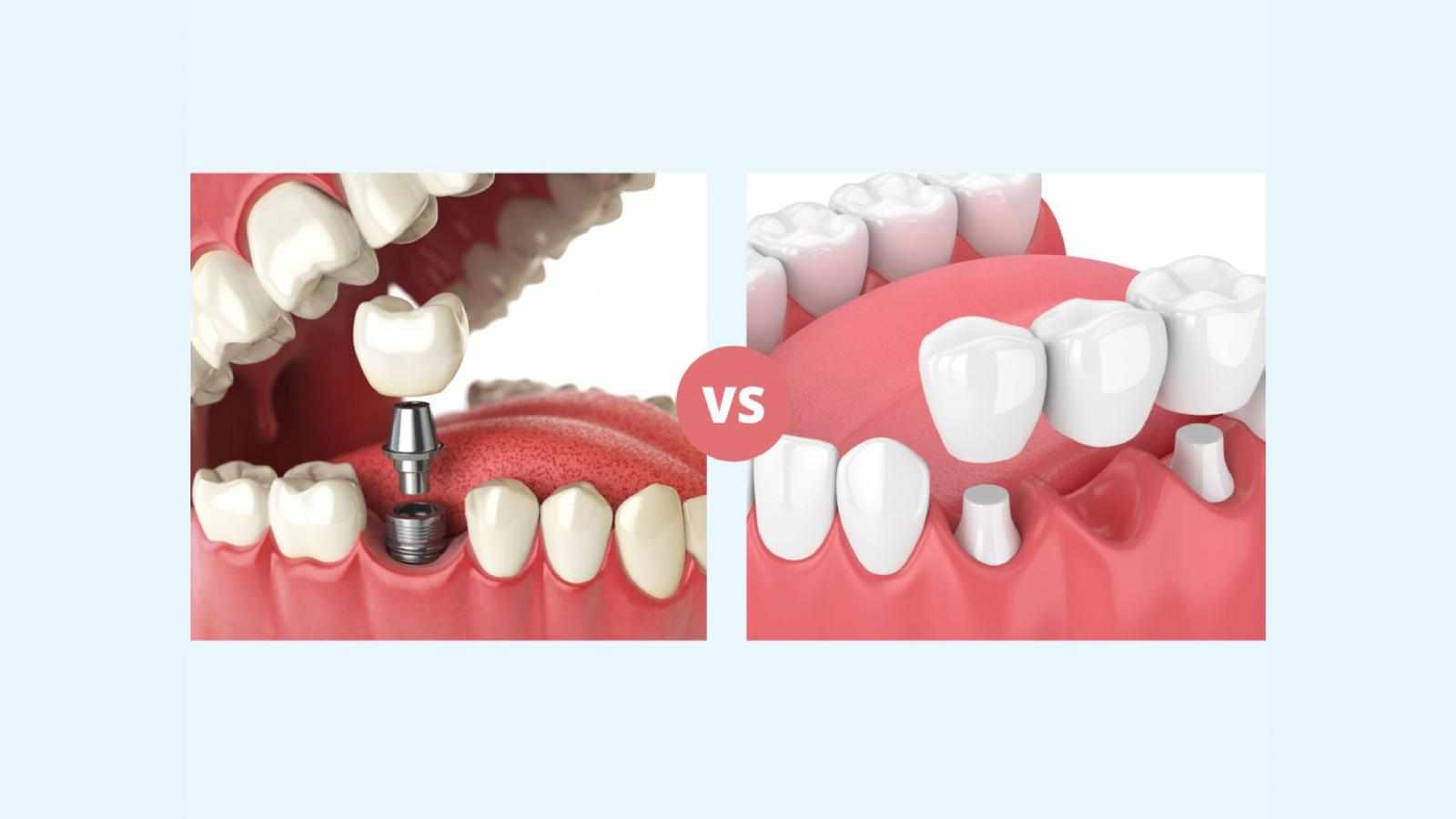
When it comes to replacing missing teeth, dental implants are considered the gold standard in modern dentistry. They look natural, last for years, and restore confidence and functionality like no other solution. But while many people focus on bone strength and implant quality, there is another crucial factor that determines whether implants succeed or fail—gum health.
Whether you're planning or have already undergone dental implant treatment in Kondhwa, understanding the connection between gum health and implant success can make all the difference in your long-term results.
In this blog, we explore why healthy gums matter, how gum disease affects implants, and tips to maintain strong gum support—featuring expert insights from SmyleXL.
Why Gum Health Matters in Implants
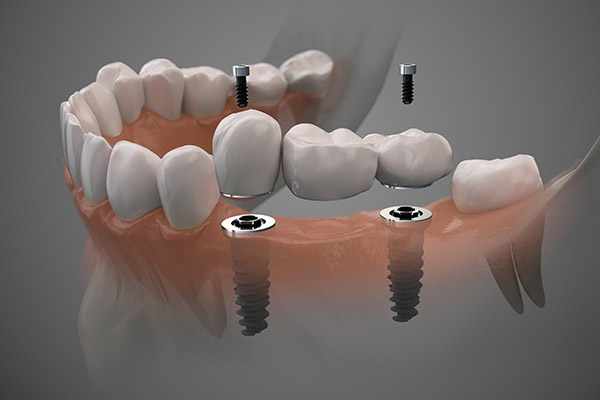
Dental implants are designed to mimic natural tooth roots. Once placed into the jawbone, they undergo a process called osseointegration, where the bone bonds tightly with the implant.
But just like natural teeth need gums for protection and support, implants require healthy gum tissue to:
Shield the implant from bacteria
Support stability
Maintain bone levels
Prevent infection
Ensure long-term durability
Gums act as the first line of defense against harmful bacteria that can enter the bone or implant area. Unhealthy or infected gums weaken this protective barrier.
How Gum Disease Threatens Implant Success
Gum disease—medically known as periodontitis—is an infection of the gum tissue caused by plaque and bacteria buildup. It progresses through stages:
Gingivitis – Early, reversible stage with redness and swelling
Periodontitis – Advanced stage with bone and tissue destruction
Advanced periodontitis – Severe infection causing loose teeth or bone loss
When placing an implant, even the earliest form of gum disease can put success at risk.
Effects of Gum Disease on Implants
🚫 Delayed healing
🚫 Increased risk of implant failure
🚫 Bone loss around the implant
🚫 Inflammation and infection
🚫 Soft tissue shrinkage
🚫 Difficulty integrating with the jawbone
A specific condition known as peri-implantitis affects implants the same way periodontitis affects natural teeth. It causes swelling, bleeding, and bone loss around the implant—eventually leading to implant loosening or failure if untreated.
Who Is at Risk of Gum Problems?
Certain groups are more prone to gum disease and should take extra care before and after implant surgery.
People at higher risk include:
Smokers and tobacco users
Diabetic patients (especially uncontrolled diabetes)
Individuals with poor oral hygiene habits
People with weak immune systems
Those with hormonal changes (pregnancy or menopause)
Patients with a family history of gum disease
If you fall into any of these categories, don’t worry—proper preventive care and guidance from implant specialists at SmyleXL can help reduce your risks significantly.
Signs of Poor Gum Health
Watch out for the following early symptoms:
Redness or swelling in the gums
Bleeding while brushing or flossing
Persistent bad breath
Gum tenderness or pain
Loose teeth
Gum recession
Pus between gums and teeth
If you experience any of these, consult a dentist in Kondhwa before proceeding with implants.
Healthy Gums Start Before Implant Placement
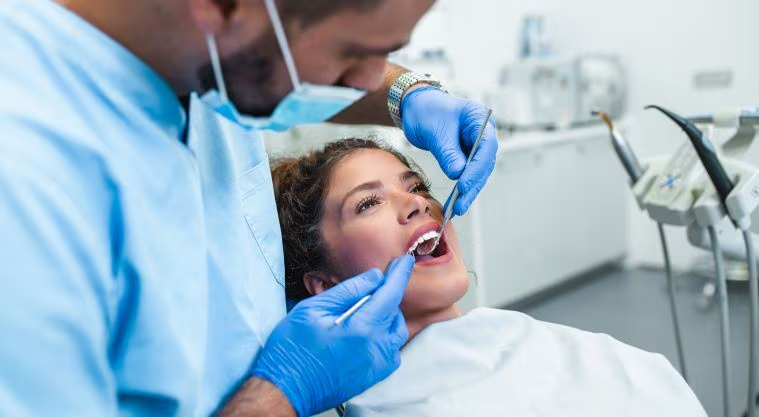
To ensure implant success, dentists evaluate gum condition before surgery. At SmyleXL, the process often includes:
Full mouth examination
Gum probing to assess pocket depth
X-rays to evaluate bone health
Professional cleaning or scaling
Periodontal therapy if needed
Advice on home care and lifestyle changes
In some cases, patients require gum treatment or bone grafting to build proper support before the implant.
How to Maintain Gum Health After Implants
Getting implants is only the beginning; maintaining them is a lifelong partnership between patient and dentist.
1. Brush Twice Daily
Use a soft-bristle toothbrush and fluoride toothpaste to gently clean around the implant and gumline.
2. Floss or Use Interdental Brushes
Regular flossing prevents food buildup—which is critical for reducing plaque in areas normal brushing misses.
3. Rinse with Antibacterial Mouthwash
Non-alcoholic mouthwash keeps bacteria under control without irritating tissues.
4. Schedule Regular Dental Checkups
Every six months—or more if recommended—ensures early detection of gum issues or peri-implant changes.
5. Quit Smoking
Nicotine restricts blood flow and slows healing, increasing implant failure risk.
6. Control Systemic Health Conditions
Manage diabetes, reduce stress, and maintain a balanced lifestyle.
7. Eat a Gum-Friendly Diet
Foods rich in:
Vitamin C (oranges, bell peppers, amla)
Calcium (milk, almonds, paneer)
Omega-3 fats (fish, flaxseed)
help strengthen gums and bone.
Why Choose SmyleXL for Dental Implants?
If you are seeking long-lasting, scientifically planned dental implant treatment in Kondhwa, SmyleXL offers:
✨ Experienced implant specialists
✨ Advanced diagnostic technology
✨ High-quality implant materials
✨ Comprehensive gum care assessments
✨ Personalized treatment plans
✨ Post-surgery support and follow-up
✨ Painless and minimally invasive techniques
At SmyleXL, gum assessment is not an afterthought—it is one of the most important steps of the treatment journey.
Conclusion
Gum health plays a vital role in determining whether a dental implant succeeds or fails. Even the best implant system cannot survive in an unhealthy gum environment.
Maintaining strong, infection-free gums before and after the implant procedure ensures stability, bone preservation, aesthetics, and long-term comfort.
If you're planning to restore your smile with affordable dental implant treatment in Kondhwa, trust the experts at SmyleXL for top-quality care backed by technology, experience, and patient-first attention.
Strong gums equal strong implants. Take care of both—and enjoy a confident smile for years to come!
View Sources :-https://smylexl.hashnode.dev/the-impact-of-gum-health-on-implant-success?showSharer=true




Write a comment ...